Coffee cart playbooks.
Pricing, permits and the event business, worked out with real numbers.
How to reply to a coffee cart inquiry and win the booking
What to say when a coffee cart inquiry lands: the five details to ask for, a price range up front, follow-ups, and copy-ready DM, email and text templates.
The Booking Desk5 min read
Read the post
The Numbers
Costs, prices and margins, worked out line by line.
6 posts
Field Notes
Setup, permits and gear, from the parking lot up.
4 posts
The Booking Desk
What to say to clients, and when to say it.
5 posts
Pricing and costs
5 postsHow to price a matcha bar for events (cost per drink + quote)
150 guests, 3 hours: a worked matcha bar quote, with cost per drink by matcha grade, servers by guest count, minimums, and add-on pricing.
The Numbers6 min read

$8,000 to $45,000: what a coffee cart costs to start (2026)
How much does it cost to start a coffee cart? Lean $8,010, Standard $19,510, Premium $44,400, every line item priced from 2026 supplier and permit data.
The Numbers7 min read
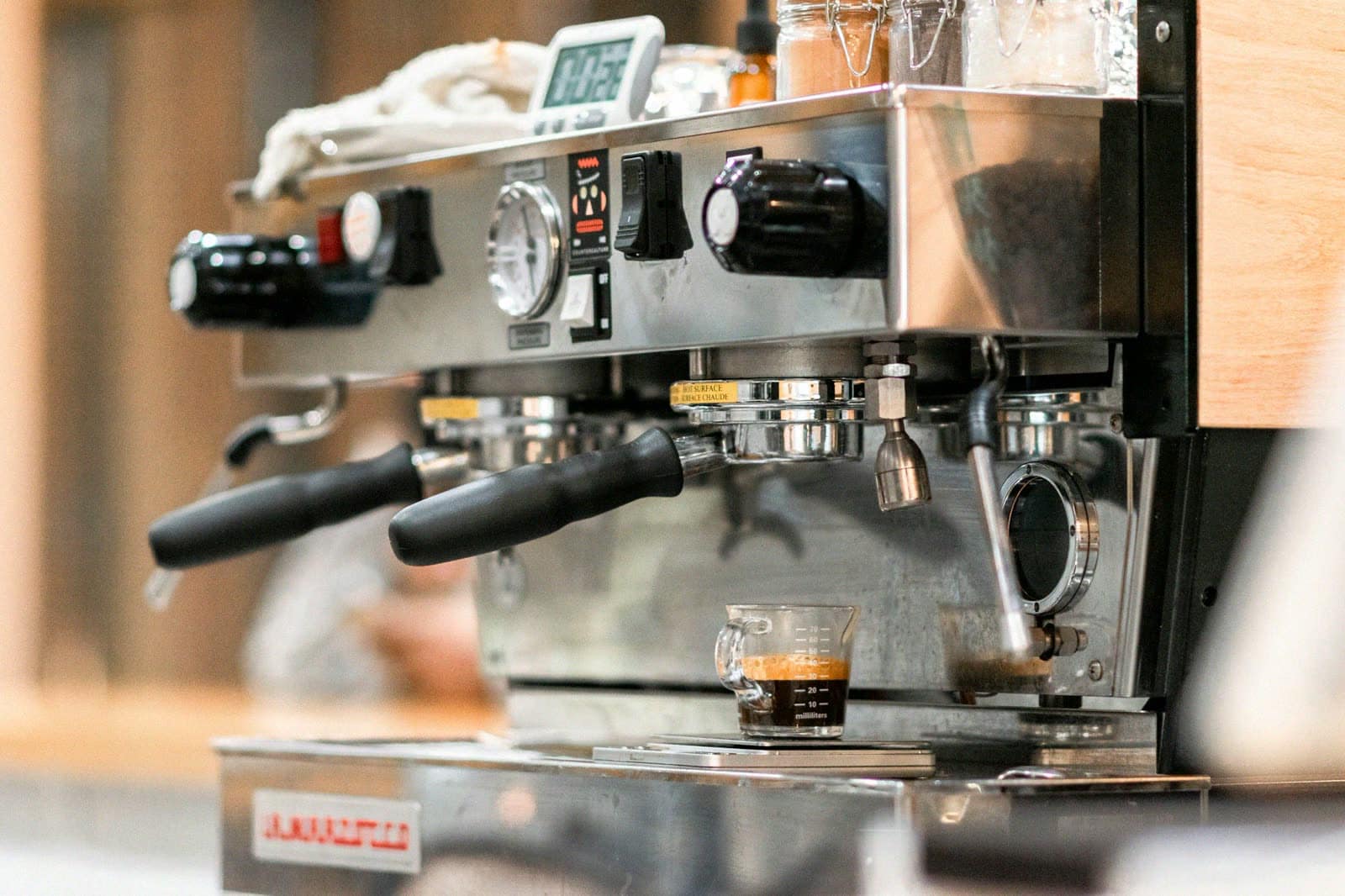
How much to charge for coffee cart catering (2026 pricing guide)
$8 to $15 per guest, $500 to $2,500 per event, plus an hourly service fee. Regional ranges, event multipliers, and a worked 150-guest wedding quote.
The Numbers7 min read
Cost per latte: $1.12 in ingredients, $2.05 all-in
A latte costs about $1.12 in ingredients and $2.05 once overhead, fuel, and setup time land. The line-by-line math and the minimum price it sets.
The Numbers2 min read
How to price a wedding espresso bar (2026 rates by region)
A 150-guest, four-hour wedding is 165 drinks, not the 2x corporate that gets repeated in operator groups. Participation math, regional rates, and 3 missed line items.
The Numbers3 min read
Starting and growing
5 postsHow to book holiday party coffee bars in November and December
Fill your December with holiday party coffee bar bookings: who to pitch, an outreach email, a seasonal menu, package pricing and an October plan.
The Booking Desk5 min read

HoneyBook doubled its price. What a coffee cart should use instead (2026)
HoneyBook Starter went from $19 to $29 annual, $36 monthly. What a coffee cart actually needs instead: cost-aware quotes, deposits, and real margin.
The Booking Desk4 min read

Free coffee catering quote template (the one-page format)
One page, seven parts, price near the top. The quote format that closes coffee catering gigs, with worked numbers, deposit terms, and the next-step line.
The Booking Desk3 min read

How to get your first 10 corporate coffee clients
A 50-target list, a three-touch email sequence with the script, per-head pricing that survives approval chains, and the follow-up call mistake to avoid.
The Booking Desk4 min read

How to start a coffee cart business (2026): 9 steps with real costs
Nine decisions, $8,000 to $45,000, and about 90 days from idea to first paid event. The full sequence, with a real number attached to every step.
Field Notes8 min read
Running events
3 postsHow much power does a coffee cart need? Amps, outlets, generators
A dedicated 120V/20A circuit for a single-group machine, 240V for most two-group machines. Nameplate math, the 80% rule, cords, and generator sizing.
Field Notes5 min read
Best POS for a coffee cart (2026), plus booking software
Square Free is the best POS for most coffee carts: no monthly fee, 2.6% + 15 cents a tap, offline mode. When SumUp, Toast or Clover fit instead, plus booking tools.
Field Notes8 min read

How many drinks will 200 guests actually order?
Between 66 and 220, depending on event type and start time. The real participation rates, eight worked scenarios at 200 guests, and the staffing math.
The Numbers4 min read
Permits
1 post
New to this? VenVen is free to start. Start free